Photo by David Boca on Pexels
Anthropic’s Claude Fable 5.2 generated an entire interactive underwater environment that fits inside a single 97 KB HTML file, avoiding traditional game engines, external textures, and 3D models. The project, named Abyssal Garden, was published on Reddit by a developer going by Noniv, who also posted under the username Any-Reputation8118 in the ClaudeAI community. Built using Claude Code, the demo renders a swimmable ocean scene directly inside a web browser using WebGPU. Performance reports from the developer indicate the file hits roughly 180 FPS at 1440p resolution on an NVIDIA GeForce RTX 5070 Ti graphics card.
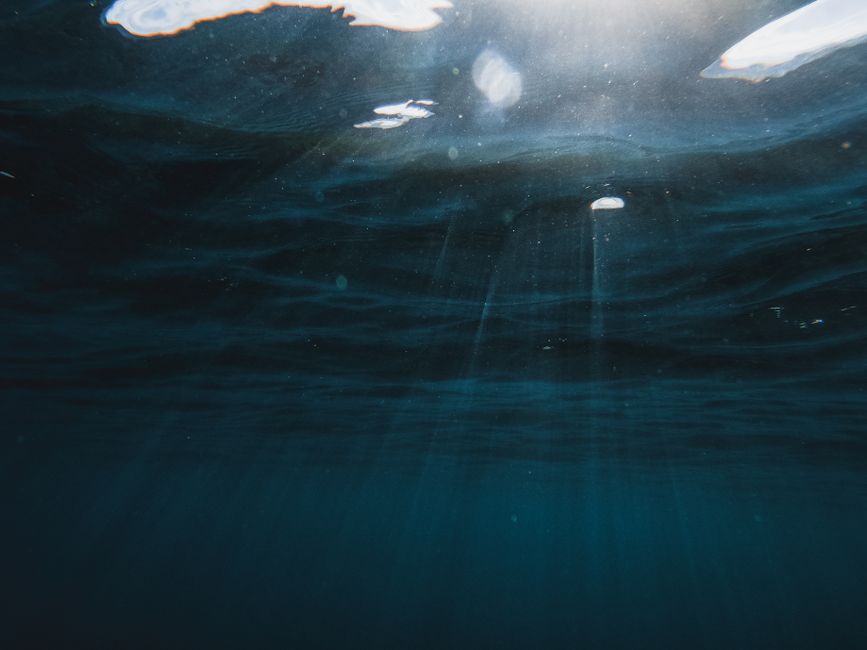
The small file size stands out because the program relies entirely on procedural generation rather than packaged art. According to the project’s GitHub repository, Claude generated WGSL shaders, a seabed sculpted directly on the GPU, and roughly two million kelp leaves and plants. The scene also renders tens of thousands of individual rocks alongside thousands of marine creatures and decorative objects, including sunken ships, manta rays, and schools of fish. Visual elements include animated water caustics, floating debris particles, dynamic sunlight filtering through the surface, and volumetric light shafts. Audio does not use pre-recorded sound clips, relying instead on a background score synthesized in real time through the browser’s native Web Audio API.
Procedural Code
The developer claims the initial version of the project came together from a single detailed prompt fed into Claude Code. That prompt demanded procedural generation, stable frame pacing, high visual fidelity, and a strictly self-contained HTML deliverable. It explicitly forbade the use of established rendering libraries like Three.js or Babylon.js, forcing the model to write raw WebGPU code instead of leaning on someone else’s scaffolding. The workflow set up an automated quality-control loop, deploying a separate AI subagent to inspect rendered screenshots for visual bugs while collecting GPU timing data during a scripted 60-second camera fly-through.
The build did not end with that first query. Noniv used subsequent prompts to add essential gameplay elements, including player collision detection, an interactive start menu, and customizable graphics settings. The developer estimates the entire project required about two to three hours of raw Claude compute time, though the workflow ended up spread across approximately three days to complete the demo.
Watch for whether developers can push this technique beyond tech demos by having Claude assemble complex game logic into self-contained files.
Source: Wccftech
This article was researched and drafted with AI assistance.