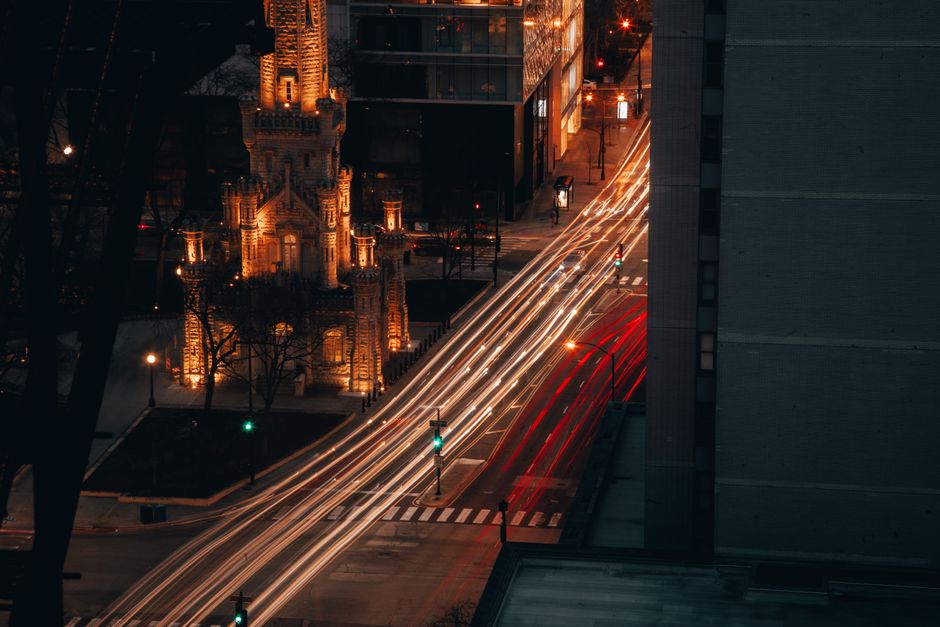
Photo by Andrew Harris on Pexels
Chicago motorists who treat dedicated transit lanes like personal VIP parking spots are about to find out that a hunk of metal and glass does not, in fact, make them invisible to the long arm of the law.
The End of the Double-Parked Era
If there is one universal truth in urban mobility, it is that some drivers view a bike lane the same way a Python developer views a strict type system: a suggestion meant to be gleefully ignored in favor of whatever gets the job done fastest. Meanwhile, transit riders stuck on buses are left aging gracefully in their seats, watching the world crawl by while a delivery van blocks the lane with hazard lights blinking like a digital confession of guilt.
Fortunately, the Windy City is about to inject some much-needed discipline into the asphalt. A new measure to expand Chicago’s automated bus and bike lane ticketing program has officially advanced, promising to bring AI-assisted surveillance to neighborhoods far beyond downtown.
Smile, You’re Obstructing Public Transit
Let’s be honest: relying on traditional traffic enforcement to clear a bus lane is about as effective as trying to debug a production server using only printed logs and a lot of hope. Human traffic officers can’t be everywhere at once. Enter the automated camera—a gadget that never blinks, never takes a coffee break, and doesn’t care that you “just needed to run in for a quick second.”
These systems capture offenders in the act, mailing out fines with the ruthless efficiency of a script running a batch job. It’s the kind of unyielding digital oversight we usually reserve for two-factor authentication prompts or cloud storage bills. And just like those security measures, ignoring it only makes the pain worse later.
Why This Matters (Even If You Own a Bike)
- Speedier Commutes: Buses might finally move at speeds faster than a brisk walk.
- Safer Cyclists: Cyclists can stop playing a real-life game of Frogger with delivery trucks.
- Municipal Revenue: City coffers get a nice little top-up from folks who treat urban planning like a suggestion box.
Of course, some drivers will inevitably cry foul, clutching their steering wheels like modern Luddites protesting the inevitable march of technology. But much like accepting that wired charging is still inherently faster and more reliable than tossing your phone onto a finicky wireless pad, drivers are simply going to have to accept reality: the free-for-all on Chicago streets is coming to a close.
Source reference: chicagotribune
Disclaimer: This article was generated and formatted with the assistance of Artificial Intelligence.