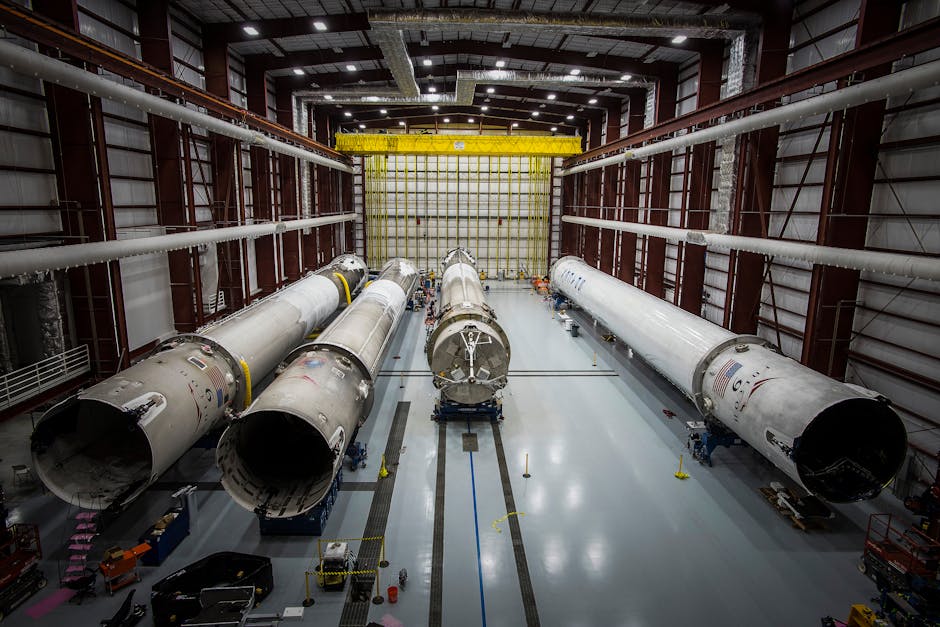
Photo by SpaceX on Pexels
SpaceX has once again redefined space travel by rocketing its Crew-13 Dragon capsule to the International Space Station in under eight hours, officially securing a blistering NASA record that leaves every other U.S. spacecraft looking like it’s stuck in highway rush-hour traffic.
The Ultimate Cosmic Commute
Let’s be honest for a second. If you told anyone a decade ago that we would be sending humans into the great unknown faster than it takes to legally download a bloated AAA video game using Python while R users just sit around calculating variance, they would have laughed you right out of the room. Yet, here we are.
SpaceX’s latest orbital delivery service didn’t just drop off groceries; it casually shattered the timeline for crewed U.S. spaceflight. While traditional aerospace timelines usually move at the pace of waiting for Apple to finally invent a revolutionary new feature that Android users have been enjoying since the Ice Age (yes, I type this while simultaneously carrying three different iPhones in my backpack, don’t judge me), SpaceX decided to hit the fast-forward button.
Why This Record Matters
Clocking in at under eight hours from liftoff to docking, the Crew-13 mission proves that getting to the ISS is becoming less like an epic sci-fi odyssey and more like a slightly longer international flight—minus the crying toddler in row 12 and the lukewarm mystery meat.
To put this technological leap into perspective:
- The Speed: Sub-eight hours to catch a moving target orbiting Earth at 17,500 mph.
- The Reliability: While wireless charging pads sometimes struggle to align with my phone on a lazy Sunday morning, SpaceX’s docking system locks onto a multi-billion-dollar laboratory floating in a vacuum with terrifying precision.
- The Competition: Right now, no other American spacecraft can even sniff this record. Boeing’s Starliner is probably still calculating its feelings about the whole thing.
The Future is Fast
At the end of the day, Elon Musk’s crew transport machine is making orbital mechanics look routine. It’s the kind of high-speed reliability we can only dream of when waiting for our smart home devices to actually cooperate, or when deciding whether to untangle our trusty wired earbuds or deal with Bluetooth pairing anxiety.
SpaceX has locked down the trophy, and until someone else steps up to the launchpad with a faster ride, the Dragon reigns supreme. Now, if you’ll excuse me, I need to go plug my phone into a wall because wireless charging is a scam, and tap my physical security key because trusting cloud-based push notifications is for the birds.
(Editor’s note: No iPhones were harmed in the writing of this article, though one did momentarily judge my typing speed.)
Source reference: teslarati
Disclaimer: This article was generated and formatted with the assistance of Artificial Intelligence.