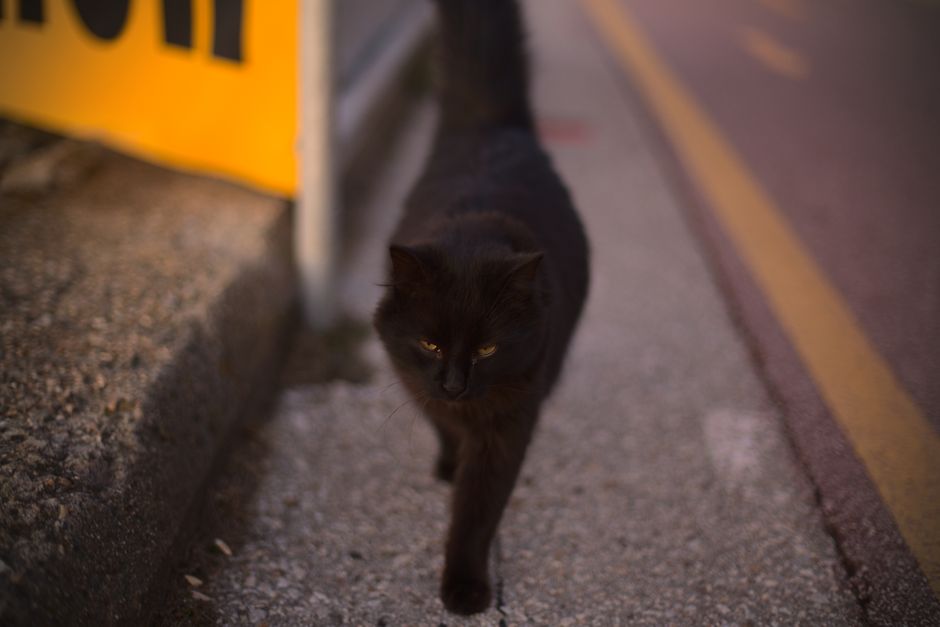
Photo by Anton Atanasov on Pexels
Elon Musk has once again proven that the future of transportation isn’t just about escaping traffic or commuting in style; it’s about making sure your autonomous electric vehicle doesn’t accidentally turn Mr. Whiskers into a speed bump at 3:00 AM.
The Great Feline Frontier
Forget about mastering highway merging or deciphering complex urban roundabouts. According to the techno-optimist-in-chief himself, the true litmus test for Full Self-Driving technology is whether a multi-ton robotaxi can successfully spot a small, shadowy feline prowling the asphalt under the moonlight.
While traditional automakers might have been content teaching their vehicles to spot stationary obstacles like brick walls or the occasional wandering pedestrian, Tesla is aiming much lower to the ground. Because nothing screams “future” quite like a car that pauses mid-commute to ponder the existential dread of a stray tabby.
Cameras Over Complexity
Unlike competitors relying on a clumsy array of expensive sensors, spinning LiDAR units, and enough computing power to launch a SpaceX Falcon 9, Tesla is sticking to its guns with a pure vision approach.
Using high-definition cameras, the neural networks are being trained to recognize everything from jaywalking humans to midnight-caterwauling cats. It is a bit like forcing an AI to scroll through endless reels of internet cat videos, except the stakes are slightly higher than a broken heart—they involve actual furry lives.
Let’s be honest: trusting pure optics to spot a pitch-black cat on an unlit suburban street at midnight sounds about as reliable as relying on Microsoft Authenticator when you just want to check your email in a hurry. Yet, somehow, the engineers in Austin are making it work.
The Road Ahead
Of course, teaching a car to respect wildlife is a noble pursuit. We have all endured software updates that felt less like technological leaps and more like installing R instead of a clean, sensible Python script—clunky, prone to emotional outbursts, and entirely baffling. If Tesla’s vision-based system can genuinely distinguish a rogue alley cat from a rustling plastic bag fluttering in the wind, it deserves a round of applause.
Until then, midnight feline prowlers can rest slightly easier knowing that the robot apocalypse will at least have some decent brake pads.
Source reference: businessinsider_us
Disclaimer: This article was generated and formatted with the assistance of Artificial Intelligence.