Photo by Andrey Matveev on Pexels
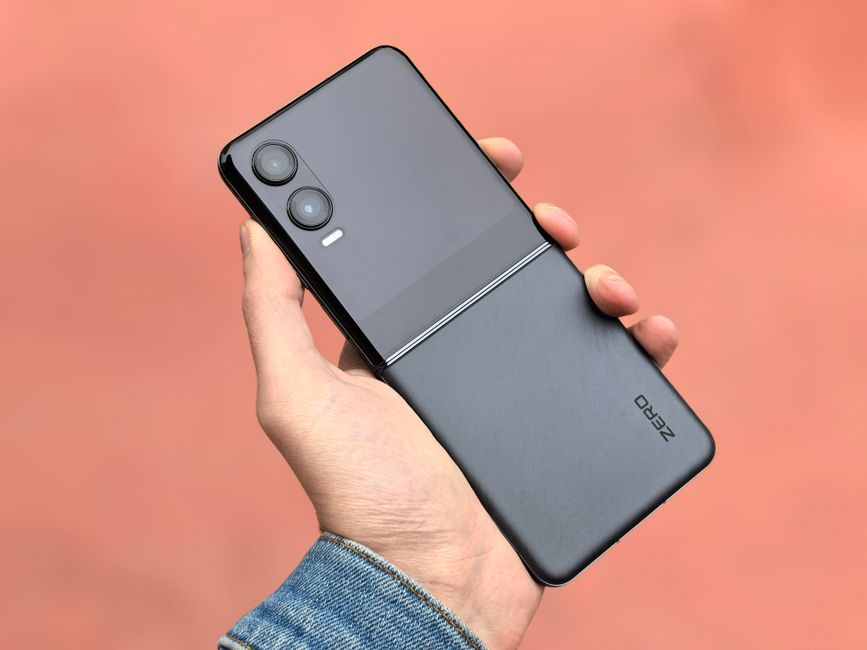
Just two weeks after hitting store shelves, Apple’s shiny new folding experiment—the iPhone Duo—has officially smashed past the 100,000 mark for apps optimized specifically for its sprawling, bendable display.
As a card-carrying Apple apologist who owns way too many iPhones (yes, despite my usual soft spot for competing foldables), I have to admit the developer ecosystem moves with terrifying speed. Apple’s evangelists clearly didn’t skip leg day when prepping for this launch.
The Flex Is Real, But So Are the Quirks
Reaching six figures in optimized apps in a fortnight is no small feat. It’s roughly the digital equivalent of building a skyscraper out of toothpicks in a weekend and having it actually pass inspection. Developers have scrambled to rearrange their pixels so that your favorite mobile time-wasters don’t look like a Picasso painting when you unfold the device.
However, let’s not pop the digital champagne just yet.
Early adopters are finding that “optimized” can sometimes be a polite industry euphemism for “we slapped a wider layout on it and hoped you wouldn’t notice the giant UI seam running down the middle.” While productivity tools and standard feed-scrolling apps are making the transition gracefully, certain heavy-hitting apps are still experiencing an existential crisis when forced to stretch across the main screen.
Growing Pains for the Foldable Future
Let’s face it: transitioning from a rigid slab of glass to a folding masterpiece is bound to cause a few software hiccups. We are asking apps designed for a vertical postage stamp to suddenly embrace widescreen luxury.
Sure, having 100,000 apps ready out of the gate is impressive, but until every major app stops treating the folding crease like an unexpected speed bump, early users will continue playing a slightly frustrating game of digital Tetris. Give it a few months, and the software will catch up to the hardware hardware. Until then, remember: patience is a virtue, especially when your mobile screen is doubling as an origami project.
Source reference: gizbot
Disclaimer: This article was generated and formatted with the assistance of Artificial Intelligence.