Photo by KH Tan on Pexels
Outdoor advertising has always made one wonderfully arrogant promise: you cannot simply swipe it away, turn down the volume, or pay a monthly subscription to skip it.
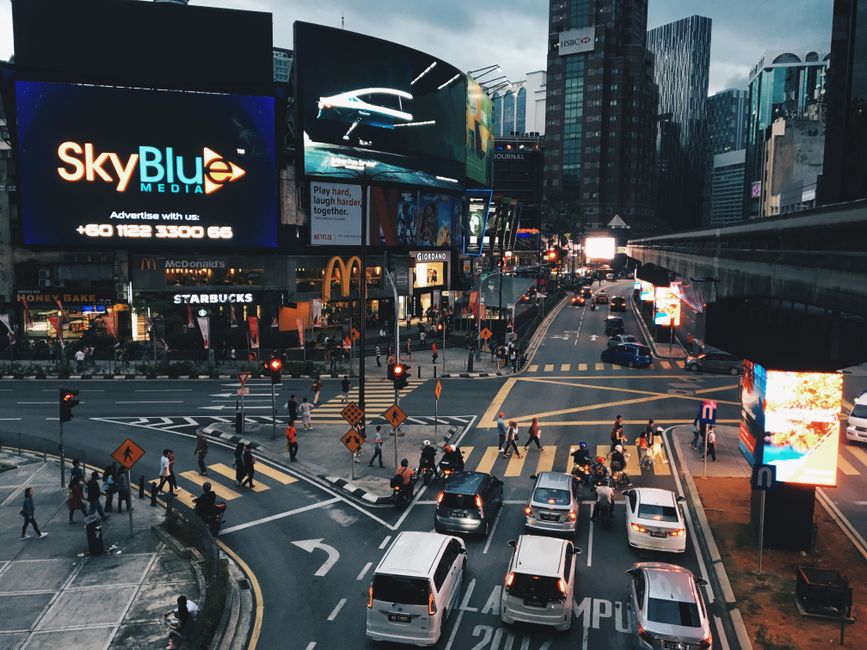
Last Thursday night in Kluang, Johor, that inescapable promise morphed into something entirely different. Eight public LED screens were brutally hijacked, turning mundane commutes into an impromptu cyberpunk fever dream and exposing an uncomfortable truth for Malaysia’s outdoor advertising industry: when the message goes terribly wrong, nobody actually seems to be at the wheel.
The Billboard Blunder
Let us be honest. Most digital billboards display the kind of soul-crushing corporate banality that makes you wish you were staring at a blank wall instead. But trading a local insurance ad for rogue digital graffiti is quite the plot twist. It is the digital equivalent of leaving your front door wide open, walking to Cairo, and expressing profound shock when someone rearranges your furniture.
Securing these systems shouldn’t require NASA-level cryptography, yet here we are. It feels remarkably like choosing wireless charging over wired charging—sure, it looks sleek and futuristic on paper, but you are left guessing if power is actually flowing while your device quietly cooks itself on the pad. In the billboard world, the “pad” is a poorly patched Linux box exposed directly to the wild, untamed internet.
The Great Accountability Vacuum
The real comedy—or tragedy, depending on whether you’re the Chief Marketing Officer whose career just went up in smoke—lies in the ensuing game of hot potato.
When a cyberattack hits a smartphone, you blame the vendor or user. When code goes rogue, developers debate the merits of writing clean Python versus wrestling with R, but ultimately someone owns the repository. But in the Wild West of out-of-home advertising, the lines of responsibility are blurrier than a pair of muddy wired earbuds found at the bottom of a gym bag.
Is it the media owner? The software vendor who forgot what a firewall looks like? Or the local authority that rubber-stamped the permit without asking if the screen’s password was still “admin123”?
Right now, the industry is pointing fingers faster than people switching away from Microsoft Authenticator after a single glitch. Everyone wants a cut of the lucrative digital ad revenue, but nobody wants to be holding the pager when the system gets breached at 2:00 AM on a Thursday.
Time to Wake Up
Apple makes undeniably great hardware—I have three different iPhones mocking me from my desk right now—and they lock down their ecosystems with ruthless efficiency. The outdoor advertising sector needs a fraction of that paranoia.
Until these companies treat digital billboards less like glorified television sets and more like critical infrastructure connected to a hostile global network, we are going to keep seeing more bizarre midnight lightshows. Kluang was a warning shot. Next time, the hackers might actually display something boring, and honestly, that would be the biggest crime of all.
Source reference: marketingmagazine_my
Disclaimer: This article was generated and formatted with the assistance of Artificial Intelligence.