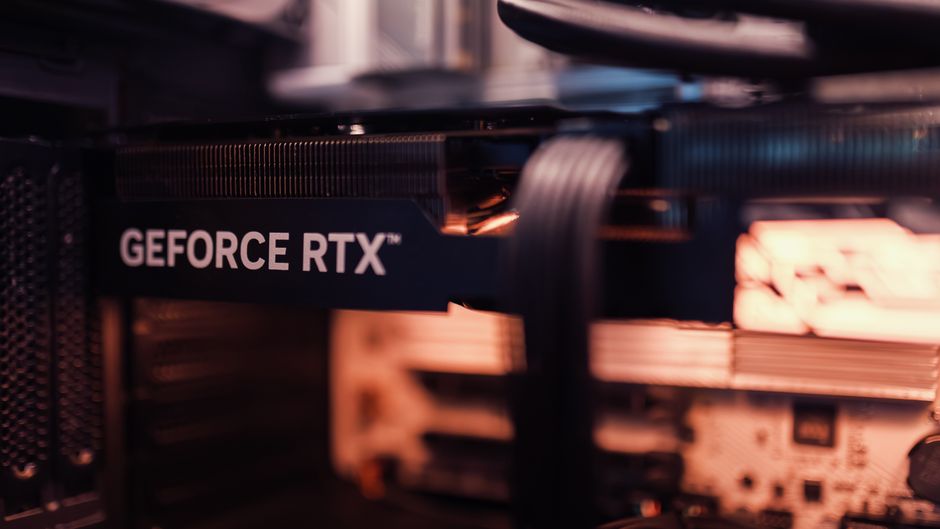
Photo by Matheus Bertelli on Pexels
Welcome back to the great silicon safari, where buying a graphics card currently requires the tactical precision of a heist movie and the bank account of a small European nation.
If you have tried looking at a price tag for a new GPU lately, you have probably experienced that sudden, cold panic usually reserved for realizing you forgot to turn off the kitchen stove before leaving on vacation. Yes, prices for Nvidia, AMD, and Intel graphics cards have climbed well above their original MSRPs. Shopping for hardware today is less like a retail experience and more like participating in an extremely expensive game of musical chairs—except the music stopped in 2020 and everyone is still aggressively shoving each other.
Let’s dive into the trenches to see where the actual value is hiding, and whether you need to remortgage your house to play Minesweeper at 400 frames per second.
Nvidia: The Luxury Sports Car of Silicon
Buying an Nvidia card right now feels a lot like buying an Apple product. You know you are paying an Apple-tax—or in this case, the leather-jacket-and-ray-tracing surcharge—and yet, here we are. I say this while currently surrounded by three different iPhones on my desk: they are objectively good, but they cost so much you half-expect them to come with a personal financial advisor.
Nvidia’s high-end RTX cards deliver staggering performance, but the prices are hovering somewhere near low-orbit. If you are hunting for value in the green camp, look toward the mid-range previous-gen inventory or sales on entry-level RTX 40-series cards. Just prepare yourself; opening your wallet for a top-tier Nvidia GPU feels about as comforting as trusting Microsoft Authenticator when your entire digital life is locked behind a single button tap—you just cross your fingers and hope for the best.
AMD: The Reliable Workhorse
If Nvidia is the flashy sports car, AMD is the trusty station wagon that somehow manages to outrun half the supercars on the highway while costing half as much. Historically, people compare AMD to Nvidia the way data scientists argue about Python versus R: one is universally beloved and gets the job done with elegant efficiency, while the other makes statisticians weep into their spreadsheets.
Team Red generally wins the pure rasterization value proposition. If you do not care about ray tracing looking like a Renaissance painting rendered in real-time, AMD’s current lineup offers way more frame-per-dollar ratios. They might not have all the fancy proprietary AI wizardry cranked up to eleven, but they will happily chew through your gaming backlog without making your power supply file for a restraining order.
Intel: The Brave New Kid in Class
Then there is Intel, charging into the dedicated graphics market like a caffeinated freshman crashing a high-stakes poker game. Arc GPUs have had a wild ride. Their driver updates have improved faster than my commitment to a New Year’s gym membership, turning early hardware hiccups into genuinely impressive budget contenders.
Intel’s strategy right now is aggressively undercutting the competition, making them the ultimate wildcard for budget builders. If you like living on the edge and want decent performance without spending your grocery money, giving Intel a spin is surprisingly viable.
How to Survive the Hunt
As you navigate the current market, keep your cool. Do not panic-buy the first overpriced card you see just because the internet told you silicon is ending. Take a breath, look for bundled games, watch out for sneaky third-party markup traps, and remember that patience is a virtue—especially when graphics cards cost more than used hatchbacks.
Source reference: headtopics
Disclaimer: This article was generated and formatted with the assistance of Artificial Intelligence.