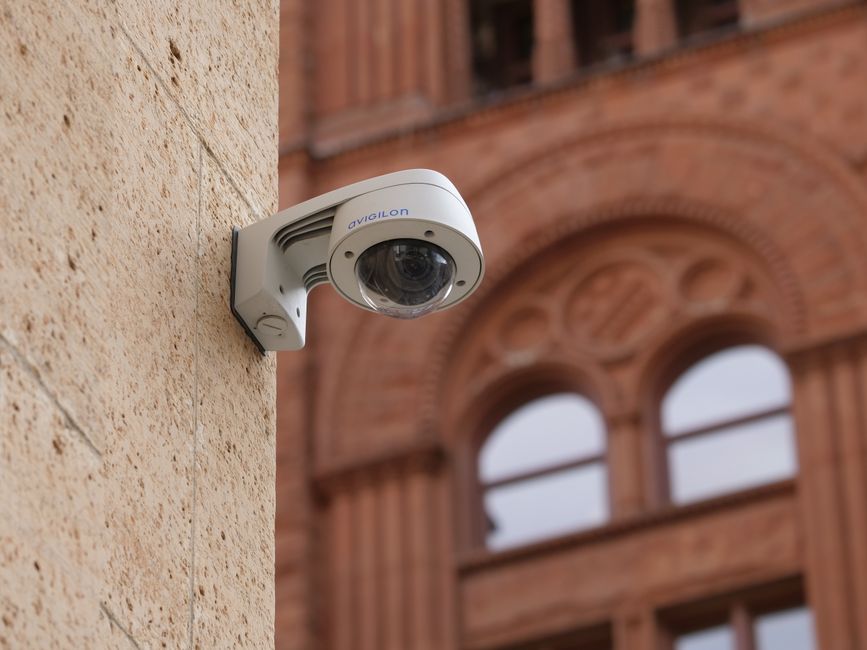
Photo by Giant Asparagus on Pexels
Big Brother just got a polite eviction notice in Haverhill, Massachusetts, where local officials decided that trading civic privacy for a fancy lens isn’t quite the bargain it’s cracked up to be.
The Great Camera Caper
Haverhill has officially pulled the plug on its contract with Flock Safety, the omnipresent automated license plate reader (ALPR) company whose cameras have been sprouting up on suburban utility poles faster than discounted Bluetooth earbuds in a bargain bin. While proponents argue these systems are the digital equivalent of a beat cop who never blinks, Massachusetts lawmakers are currently weighing whether statewide guardrails are needed to keep our daily commutes from turning into an uninvited episode of Cops: Suburbia Edition.
Opting Out of the Panopticon
Let’s be honest: trusting an automated surveillance network to quietly mind its own business feels a bit like trusting a programmer who insists on writing entire enterprise systems in R instead of Python—technically possible, but deeply unsettling to anyone who values their sanity. Haverhill’s decision proves that communities are starting to push back against the relentless creep of tech that watches everything while explaining remarkably little.
What’s Next for the Bay State?
As the Massachusetts legislature mulls over statewide regulations, the drama in Haverhill might just be the opening act.
- The Privacy Push: Citizens are increasingly demanding transparency over where their location data goes.
- The Vendor Scramble: ALPR companies will likely have to dust off their compliance playbooks as more towns grow wary of the all-seeing eye.
- The Analog Comfort: Sometimes, you just want to drive down the street without wondering if an algorithm is judging your bumper stickers.
Until the state sorts out its digital leash laws, expect more towns to look at their shiny automated camera contracts and decide they’d rather keep their movements to themselves. After all, privacy is a bit like a good pair of wired earbuds: nobody thinks much about it until someone starts pulling on the cord.
Source reference: hoodline
Disclaimer: This article was generated and formatted with the assistance of Artificial Intelligence.


