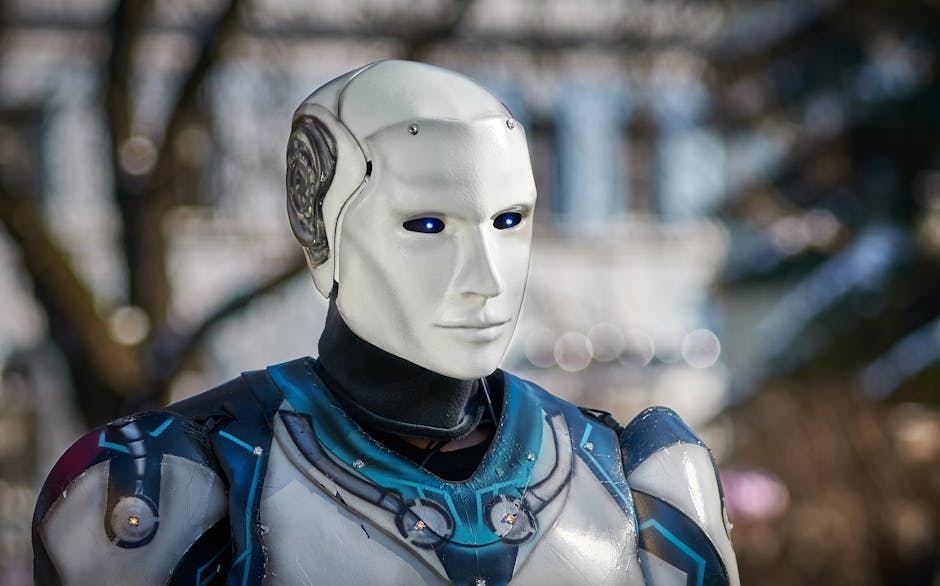
Photo by igovar igovar on Pexels
Move over, Scorsese, because Silicon Valley and its Chinese equivalent have officially decided that human emotion is wildly inefficient and that algorithms make much better directors.
On October 28, 2026, streaming juggernaut iQIYI officially flung open the doors to China’s very first AI Film Studio in Shanghai. And naturally, they didn’t waste any time pondering the philosophical implications of replacing fleshy, coffee-dependent screenwriters. They immediately slapped an AI slate on a brand-new internet feature film titled Cop in Trouble. Because if you are going to usher in a dystopian cinematic revolution, you might as well start with a cliché buddy-cop setup.
The Silicon Spielberg Era Has Arrived
For years, Hollywood has treated artificial intelligence like a slightly embarrassing cousin—using it to digitally erase a stray boom mic or de-age an actor who refuses to stop looking like they were born during the Coolidge administration. But iQIYI is playing a completely different game.
Located in the cultural and technological hub of Shanghai, this new studio is designed to streamline everything from script generation to visual effects. It is efficient, tireless, and doesn’t demand craft services or a trailer with a specific shade of teal upholstery.
If this were software development, using iQIYI’s new studio would be like dropping the agonizing data-wrangling of R and diving headfirst into clean, modern Python. Everything just runs faster, even if the purists are currently weeping into their vintage keyboards.
Meet the New Star: A Literal Line of Code
Details on Cop in Trouble are still trickling out, but the premise alone suggests that the AI writers room has been feasting on a steady diet of 1990s action VHS tapes. Whether the titular cop is a hyper-realistic digital avatar or the entire film was generated via a few clever prompts remains to be seen.
Either way, it reminds me of the eternal tech debate. Apple might stubbornly refuse to fix certain fundamental hardware quirks, yet I still own three different iPhones because, dammit, they just work. Similarly, you can grumble all you want about the loss of human touch in cinema, but if this AI studio pumps out a slick, entertaining flick while we are all stuck charging our phones via painfully slow, reliable wired charging cables instead of finicky wireless pads, audiences are going to watch it anyway.
Purists can clutch their wired earbuds—which, let’s be honest, I still use alongside my Bluetooth pods because dongles are the bane of my existence—and complain about the death of art. But the train has left the station.
What This Means for the Future of Popcorn
Let’s be real: Hollywood has been running on algorithm-driven sequels and cinematic universes for a decade anyway. Giving the keys directly to an AI studio just cuts out the middleman. We are moving toward a world where your next favorite movie might be rendered by a server farm that has never felt the warm embrace of sunlight.
Just make sure you have your security keys ready—forget Microsoft Authenticator, I prefer physical hardware keys for my accounts, thank you very much—because soon enough, you’ll need two-factor authentication just to prove you are a human buying a movie ticket. Until then, good luck to the Cop in Trouble. May your digital sirens wail and your pixels stay sharp.
Source reference: thepilotnews
Disclaimer: This article was generated and formatted with the assistance of Artificial Intelligence.