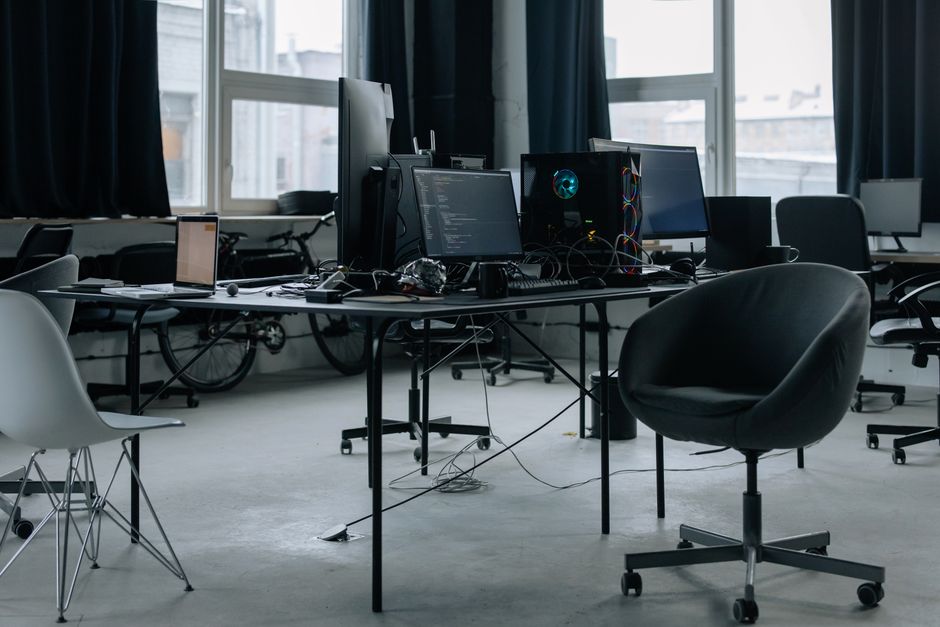
Photo by cottonbro studio on Pexels
The indie game development scene is currently experiencing a collective existential crisis, and frankly, it’s about as fun as debugging R code on a Monday morning after your Bluetooth earbuds have mysteriously unpaired from every device you own.
Digital Digital Sunshine—the folks behind Moonlighter—recently pulled the plug on a planned game demo. Why? Because they are terrified that someone, somewhere, will clone their hard work before the ink is even dry on the release contract. When developers can’t show their creations to the world without looking over their shoulder for digital copycats, you don’t need a PhD in computer science to realize the system is profoundly, hilariously broken.
Enter Opus 5.5. The latest darling (or rather, terrifying overlord) of the AI world continues to wreak absolute havoc among independent creators.
The Great AI Plagiarism Buffet
Let’s be honest with ourselves. We live in an era where artificial intelligence can spin up a functional codebase faster than you can charge your phone with a painfully slow wireless pad (seriously, people, use a cable if you want electrons to actually move). But when these advanced models start chewing up artistic styles, game loops, and UI designs, we cross a line from “cool tech demo” to “digital highway robbery.”
Developers pour years of their lives into crafting pixel art, tight combat loops, and atmospheric music. Then, an automated prompt can theoretically regurgitate a bootleg clone in the time it takes to brew an espresso. It’s enough to make you lock your front door, throw away your Authenticator Keys, and live off-grid in a cabin—though let’s be real, we’d all still complain about the lack of fiber-optic internet.
Why Fear Is Killing Innovation
The beauty of the indie dev scene has always been its wild, unhinged creativity. It’s the gaming equivalent of wearing wired earbuds proudly while everyone else goes truly wireless: it’s authentic, a bit messy, and entirely focused on the craft.
When fear takes the wheel:
- Demos disappear: Studios stop trusting the public preview process.
- Secrecy trumps community: Feedback loops are cut short because sharing ideas feels like handing a loaded gun to a competitor.
- Burnout skyrockets: Creators spend more legal and emotional energy protecting their IP than actually making fun games.
Even Apple—and yes, I own several iPhones, and yes, they are undeniably good—wouldn’t launch a device in total secrecy without showing a prototype first. (Well, maybe the original iPhone, but Steve Jobs isn’t here to stage-manage the indie scene).
Fixing the Broken Machine
If the indie landscape becomes a paranoia-fueled fortress, everyone loses. Platforms, players, and studios all suffer when the fear of cloning outweighs the joy of sharing.
Until tech giants and regulators figure out how to put ethical guardrails around powerful models like Opus 5.5, developers are going to keep battening down the hatches. And that’s a tragedy. Because the best part of gaming has always been watching a small team proudly unveil their weird, beautiful, passion-project demo and saying, “Look what we made.”
Let’s hope they feel safe enough to do it again soon.
Source reference: pcgamer
Disclaimer: This article was generated and formatted with the assistance of Artificial Intelligence.