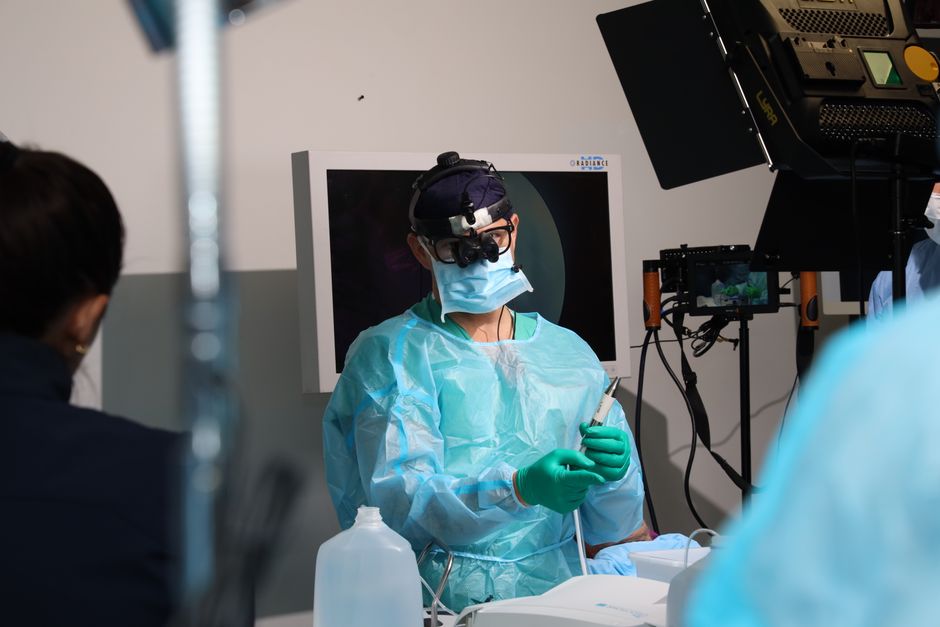
Photo by Olivier Gerbault on Pexels
If you have ever tried to explain a complex medical procedure to a patient using a flat, grayscale MRI scan that looks suspiciously like a spilled cup of coffee, you already know the dark ages of healthcare visualization are desperately due for an upgrade.
Medical visualization outfit Avatar Medical has decided to drag surgical planning out of the twentieth century. Their flagship software, Avatar Medical Vision, can now be launched natively from within Epic’s Electronic Health Record (EHR) system.
From Flat Files to Future Tech
For the uninitiated, Epic is the digital leviathan that runs a massive chunk of modern hospitals. Until now, jumping between a patient’s clinical data and actual spatial visualization often felt like trying to write complex Python scripts using nothing more than R and sheer willpower—clunky, unintuitive, and deeply frustrating.
With this new integration, attending physicians and surgeons can leap from an active clinical record directly into interactive, patient-specific 3D anatomical models with just a few clicks. The system preserves all the vital patient context, meaning doctors do not have to re-enter data like they are filling out a DMV form twice.
Why This Actually Matters
Let’s be honest: doctors are busy people who have very little patience for software that requires a 400-page manual and three cups of espresso to figure out. By embedding 3D anatomical models right inside the EHR, Avatar Medical is doing something revolutionary—making advanced tech actually usable in a high-stress clinical environment.
Sure, some tech purists might compare this to buying the latest flagship phone just to text your mom, but the practical applications are undeniable. Being able to manipulate a real-time 3D model of a patient’s anatomy during a live consultation changes the game. It turns abstract medical jargon into something a patient can actually look at and understand, short of opening them up on the table to point at the problem.
As healthcare continues its slow march toward digitization, integrations like this prove that technology can actually make our lives easier instead of just giving us more passwords to forget. Now, if only we could get hospital IT departments to adopt wired charging for everything, we might finally be living in the future.
Source reference: hitconsultant
Disclaimer: This article was generated and formatted with the assistance of Artificial Intelligence.