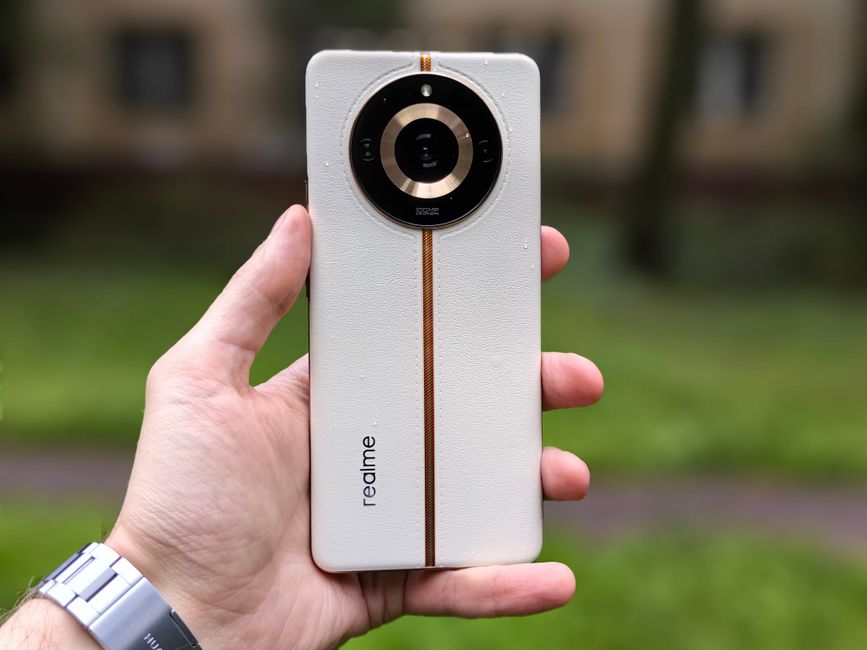
Photo by Andrey Matveev on Pexels
If the rumor mill is to be believed, the smartphone horizon is about to get a serious reality check, and the current royalty of pocket-sized photography might want to start updating their resumes.
For years, flagship smartphone manufacturers have played an endless game of digital leapfrog. Samsung gives us a 100x zoom that makes the moon look like a grainy stucco ceiling, Google fights back with AI magic that can apparently reconstruct your vacation memories from sheer willpower, and Apple just sits back, counts its trillion-dollar allowance, and drops another titanium brick that shoots cinematic masterpieces. (Full disclosure: I own several iPhones, and yes, they are undeniably good, despite Cupertino’s allergy to basic ports and headphone jacks).
Enter the 2027 Ultra phone horizon. Whispers from the supply chain suggest an impending telephoto camera upgrade so aggressively long-overdue it feels like finding a $100 bill in a winter coat you haven’t worn since the pandemic.
The Periscope Predicament
Let us be honest about current mobile zoom cameras. They are fantastic until you actually need to use them on a moving subject, at which point your target resembles Bigfoot captured on a 1990s security cam. We have been spoon-fed incremental sensor bumps for half a decade, pretending that moving from a 5x to a 5.2x zoom is somehow the technological equivalent of putting a man on Mars.
It is high time for a proper shake-up. If this rumored 2027 powerhouse delivers on its telephoto promises, it won’t just bridge the gap between pocket devices and dedicated DSLR rigs; it might actually embarrass the heavy hitters.
Why Samsung and Google Should Start Sweating
Samsung has enjoyed its perch as the undisputed king of stadium-concert photography, while Google continues to lean heavily on computational photography to pull detail out of thin air—sort of like asking a very talented painter to guess what your cousin looks like from three blocks away.
Neither approach is wrong, but neither is pure optical hardware perfection, either. It is the hardware equivalent of choosing R over Python—sure, data scientists love the former for niche math parties, but the latter just gets the job done cleanly without making you question your life choices.
If our mysterious 2027 contender nails a massive periscope sensor upgrade paired with lightning-fast glass, the excuses will officially run out. We might finally get crisp, uncompressed, terrifyingly detailed shots of objects far in the distance without needing a supercomputer in our pocket to stitch the pixels together.
The Verdict
Of course, until the device actually drops, we remain in the familiar purgatory of spec sheets and marketing hype. But if the rumors hold true, Samsung and Google had better stop resting on their laurels—or risk getting left so far behind that even their 100x zoom won’t be able to spot them.
Source reference: androidauthority
Disclaimer: This article was generated and formatted with the assistance of Artificial Intelligence.