Photo by Magda Ehlers on Pexels
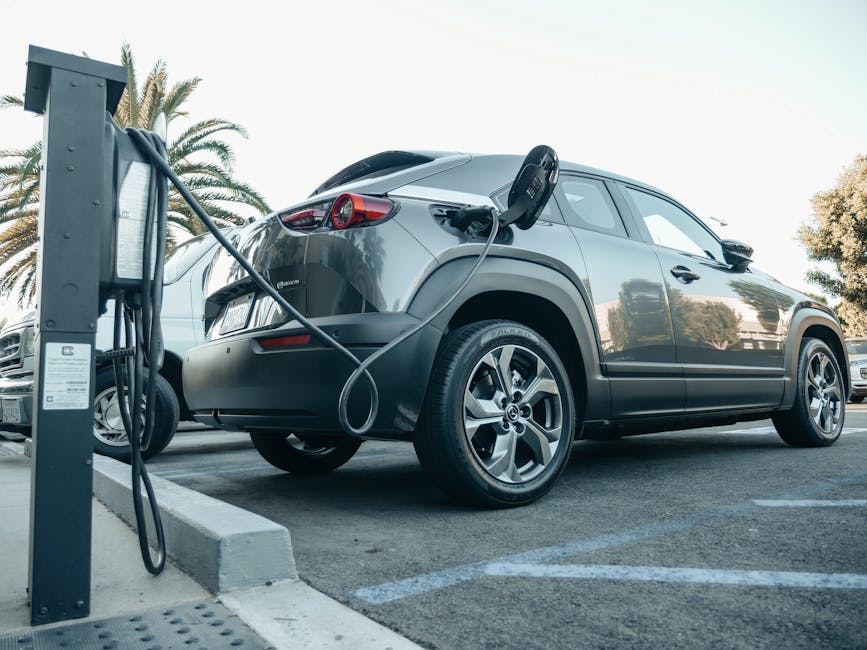
Picture this: you roll up to a DC fast charger, plug in your electric vehicle, and watch the percentage climb with the enthusiastic speed of a teenager rushing to leave the dinner table. Zero to eighty percent happens in the blink of an eye. Then, right as you start calculating your triumphant arrival time, the charging needle hits 80% and immediately shifts into a agonizingly polite crawl that could test the patience of a Tibetan monk.
Before you start suspecting the charging station is secretly plotting against you, take a deep breath. Your car isn’t broken, and your battery isn’t feeling lazy. In fact, it is working overtime to save its own life.
The Chemistry of Self-Preservation
Lithium-ion batteries—the same stubborn little chemistry sets that power everything from your trusty Bluetooth earbuds to the glowing rectangle glued to your hand all day—are notoriously dramatic creatures.
Think of stuffing electrons into a battery like packing for a flight. Tossing clothes loosely into the top of the suitcase is fast and easy (that’s your 0% to 80% sprint). But once the suitcase is mostly full, you have to carefully shove, push, and sit on the lid to zip it shut. If you slam it too hard, the zipper breaks.
In battery terms, “breaking the zipper” means generating excessive heat, wearing out the lithium plating, and prematurely degrading the battery’s lifespan. To prevent your expensive EV from turning into a very heavy lawn ornament over time, the Battery Management System (BMS) intentionally steps on the brakes. It throttles the current to keep things cool, safe, and chemically stable.
Why That Last 20% Is Overrated
Understanding this thermodynamic bottleneck changes how you should road-trip. Much like refusing to use wireless charging because you prefer the reliable, no-nonsense speed of wired charging, efficiency is all about knowing when to quit.
Chasing a 100% charge at a public fast charger is a fool’s errand. The time it takes the car to crawl from 80% to 100% could often take as long as it took you to get from 10% to 80% in the first place. You’re essentially paying a hefty premium in time just to boast a full tank to your neighbors.
So, the next time your EV hits that 80% wall and decides to take a leisurely nap, unplug, hit the road, and let the car do its thing. It’s looking out for you—and your wallet.
Source reference: newspointapp
Disclaimer: This article was generated and formatted with the assistance of Artificial Intelligence.