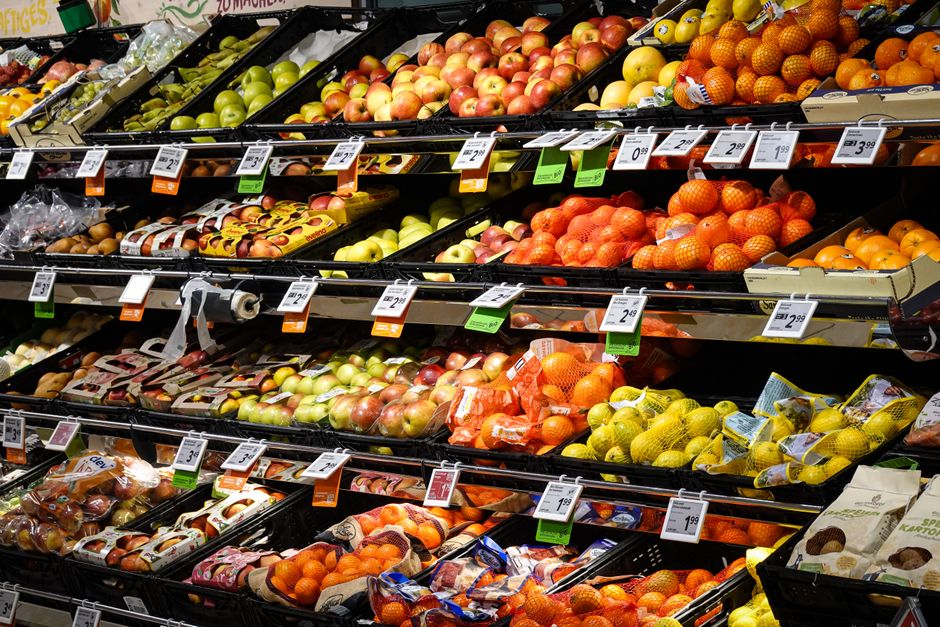
Photo by Magda Ehlers on Pexels
If you thought trying to find matching socks in the laundry was the ultimate test of human endurance, wait until you try buying a box of cereal at your local US supermarket, where the price tag is now shifting faster than a politician’s promise on tax reform.
As algorithms quietly creep into the checkout aisle, American consumers are starting to feel less like shoppers and more like unsuspecting participants in a chaotic stock market. Terms like “dynamic pricing” and “surveillance pricing” are currently lighting up social media feeds, sparking a collective panic that would usually be reserved for finding out your flight has been canceled during a holiday weekend.
The Digital Shell Game
Remember the good old days of shopping? You walked in, looked at a little paper tag, and paid the price. It was honest, predictable, and delightfully boring—much like wearing a pair of reliable wired earbuds that never suddenly decide to disconnect because your phone got confused by a pigeon.
Now, retailers are adopting AI-assisted pricing tools that promise to optimize margins. In plain English? That means the price of your milk, eggs, or detergent might fluctuate depending on the weather, the time of day, or how desperately you look like you need a caffeine fix. It is the retail equivalent of trusting a self-driving car that occasionally tries to flirt with a mailbox.
Surveillance or Just Good Business?
Social media users are understandably losing their minds, wondering if the person standing right behind them in line is snagging the exact same bag of chips for half the price just because their browsing history doesn’t feature three a.m. panic searches for ergonomic desk chairs.
Retailers insist this is just modern commerce catching up with the times. But consumers are naturally suspicious, and frankly, who can blame them? We already live in a world where we accept that our smartphones know our deepest secrets, but bringing that level of bespoke psychological warfare to the canned soup aisle feels like a bridge too far. It is a bit like forcing everyone to use Microsoft Authenticator just to open a bag of Doritos—technically secure, perhaps, but deeply exhausting.
Will We Adapt?
Of course, consumers will adapt, grumble, and eventually accept it, much like we all grudgingly accepted paying four figures for iPhones that we secretly admit are brilliantly engineered (yes, I own three, don’t judge me).
Until then, expect the internet to keep roasting the brave new world of algorithmic shopping. If prices keep changing at the speed of light, we are all going to need to start bringing financial advisors to the grocery store just to budget for a frozen pizza.
Source reference: pressenterprise
Disclaimer: This article was generated and formatted with the assistance of Artificial Intelligence.