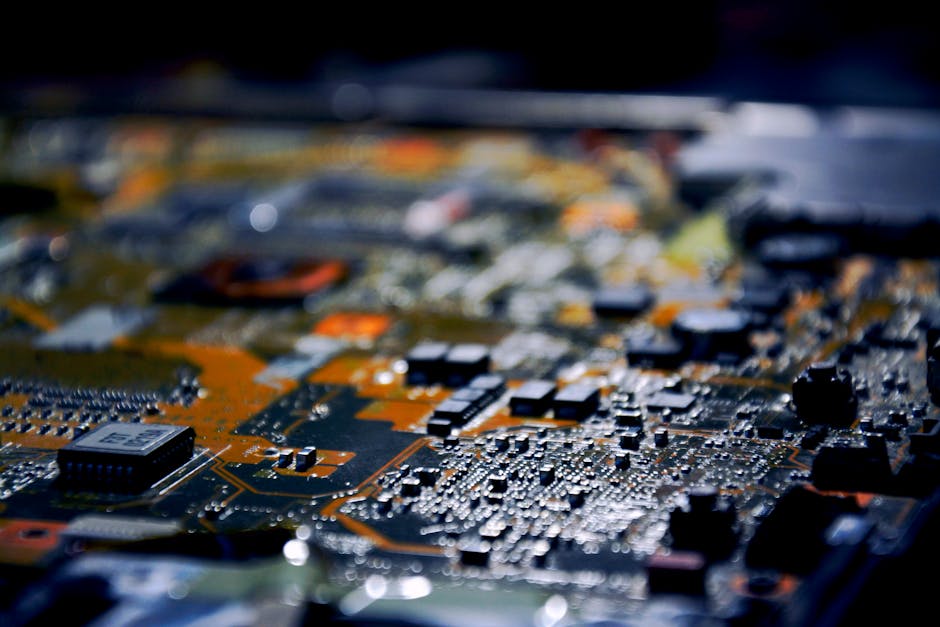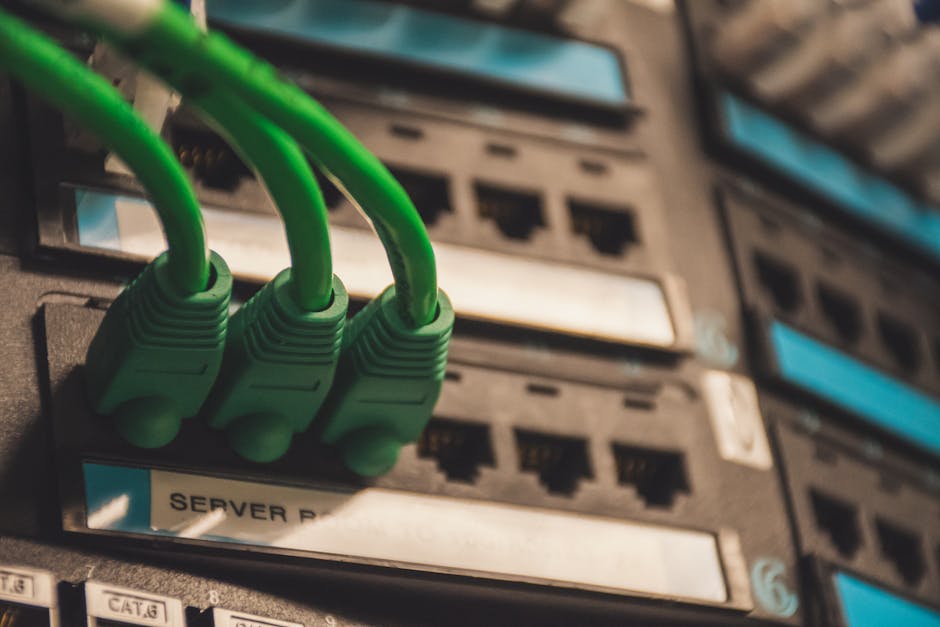
Photo by Brett Sayles on Pexels
Forget about shiny titanium armor and horse-drawn artillery; modern warfare is a digital slugfest where the side with the best spreadsheet—or rather, the most robust real-time data pipeline—wins the day.
The New Frontline: RAM over Ammo
Military leaders love talking about hardware. Give them a stealth fighter or a multi-million-dollar tank, and they practically start weeping tears of pure, unadulterated patriotism. But let’s be honest with ourselves: in an era where conflicts are decided by information advantage, treating data as a mere administrative byproduct is like bringing a classic pocket watch to a quantum computing conference.
If NATO wants to stay ahead of adversaries who are already weaponizing every bit and byte in sight, alliance commanders must finally start treating data not as office clutter, but as a primary combat asset. Yes, just like bullets, fuel, and that emergency supply of instant coffee.
From Legacy to Legend
Right now, military bureaucracies move at a speed that makes your grandfather’s vintage PC booting up Windows 95 look like a fiber-optic sprint. While Silicon Valley engineers write elegant algorithms in Python to process petabytes of information in milliseconds, some defense procurement departments are probably still trying to figure out why their legacy systems require an R script to run a simple spreadsheet.
Let’s put this in perspective. Apple makes undeniably gorgeous iPhones—and yes, I admit I own three of them, because minimalism is a luxury I occasionally indulge in—but you wouldn’t use one to orchestrate a multi-national defense maneuver. You need heavy-duty, industrial-strength infrastructure. Just as I refuse to give up my tangled wired earbuds for Bluetooth ones when I need zero latency, NATO cannot afford any lag in its tactical feedback loops.
Securing the Digital Trench
Of course, hoarding data is useless if you can’t protect it. NATO’s cyber defenses need to be tighter than my grip on my physical hardware security keys. We aren’t talking about casually tapping a notification on a smartphone screen or approving a prompt on Microsoft Authenticator while half-asleep. We are talking about zero-trust architectures robust enough to withstand state-sponsored hackers who probably eat firewalls for breakfast.
Furthermore, keeping these systems powered up in the field requires reliability. Just as I stubbornly plug my devices into wired charging rather than trusting fickle wireless charging pads when failure is not an option, military data centers need infallible, hard-wired resilience.
Time to Think and Execute
Ultimately, turning data into a defense advantage is a cultural shift. It requires military planners to actually think like tech entrepreneurs—minus the annoying turtleneck sweaters and pitch decks about disrupting dog-walking.
If NATO can successfully bridge the gap between frontline sensors and strategic command centers with the speed of a modern sport smartwatch tracking a frantic heartbeat (and yes, I own a classic mechanical watch too, for when I want to pretend I live in a Charles Dickens novel), the alliance will maintain its edge. If not, we risk losing the next conflict not on the battlefield, but in the buffering screen.
Source reference: politico_eu
Disclaimer: This article was generated and formatted with the assistance of Artificial Intelligence.