Photo by https://kaboompics.com/ on Pexels
DAEJEON, South Korea — In a technological marriage that makes even the most stubborn legacy systems look like rotary phones, REMOSHOT has officially leveled up its DoDrill XR training platform by integrating patented wizardry from the Korea Institute of Science and Technology Information (KISTI).
If you have ever suffered through corporate training modules that feel roughly as engaging as watching wet paint dry on a brick wall, you know the desperate need for better simulation tech. Enter extended reality (XR), which is finally moving past the “glorified Google Cardboard” phase and into actual, high-stakes utility.
The KISTI Touch: Because Guessing Isn’t a Training Strategy
Training professionals on complex, potentially hazardous industrial machinery usually involves two options: risk a million-dollar piece of equipment with a newbie who thinks “torque” is a luxury car brand, or hand them a dusty manual from 1994.
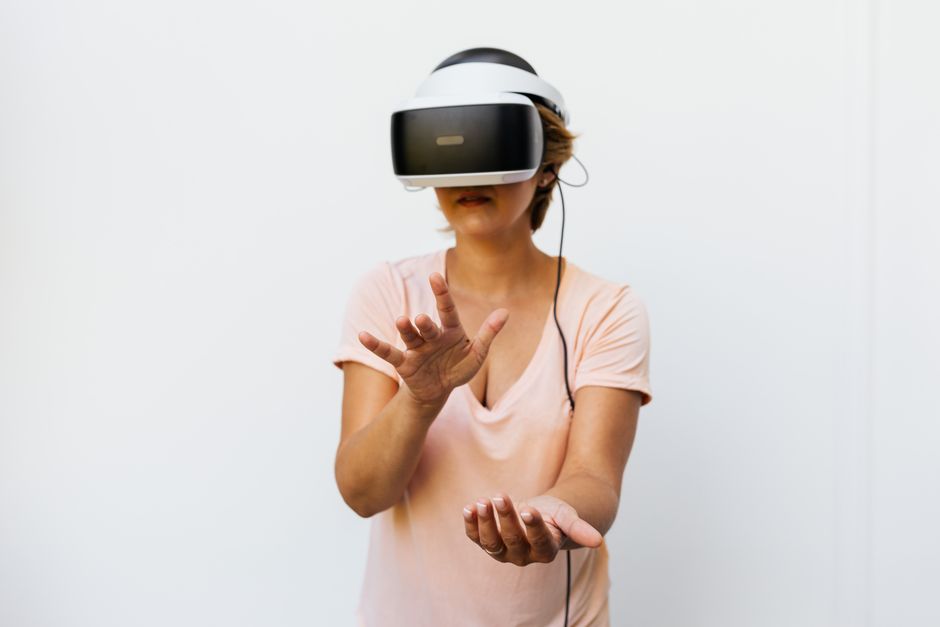
REMOSHOT’s latest integration of KISTI’s patented technology aims to bridge that terrifying gap. By injecting some serious research pedigree into the DoDrill XR platform, the system now handles spatial simulations with the kind of precision that makes you forget you are wearing a headset and start dodging virtual debris. It is a bit like upgrading from a crusty old spreadsheet to a finely tuned Python script—everything just runs smoother, smarter, and without making you want to throw your peripherals out the window.
XR That Actually Works
While tech giants constantly try to convince us we all want to wear bulky ski goggles to check our emails, enterprise XR is where the actual heavy lifting happens. Platforms like DoDrill XR prove that immersive tech is best used when learning dangerous, high-precision tasks safely.
Sure, some skeptics might roll their eyes at another virtual reality announcement. But when government-backed research institutions like KISTI start lending their intellectual property to private innovators, it usually means the tech has graduated from a cool science-fair project into something that will actually change how industries operate.
Now, if only we could get this level of immersive simulation to help us figure out why wireless charging pads still feel like a magic trick that only works half the time, the future would truly have arrived. Until then, we will gladly settle for industrial workers getting top-tier training without leaving the safety of a simulated room.
ImageSearch: VR headset training industrial simulation
Source reference: industrydailyobserver
Disclaimer: This article was generated and formatted with the assistance of Artificial Intelligence.